
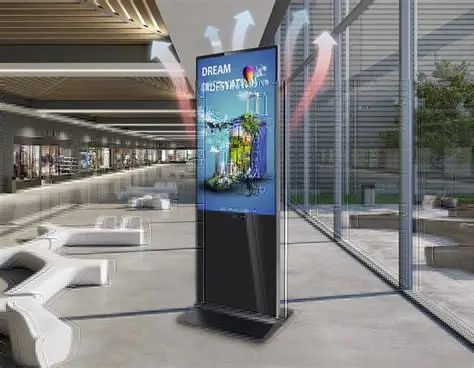
Businesses are constantly looking for better ways to communicate with customers, promote products, and create engaging experiences. A digital signage display provides a flexible way to share advertisements, announcements, videos, menus, and other visual content.
From retail stores and restaurants to offices, hotels, schools, and shopping malls, digital signage can replace or complement traditional printed signs. This guide explains what digital signage is, its benefits, common applications, and how businesses can choose the right solution.
- What Is a Digital Signage Display?
- Why Businesses Use Digital Signage
- Common Applications of Digital Signage
- Types of Digital Signage Displays
- Choosing the Right Display
- Content Management Software
- Creating Effective Digital Signage Content
- Benefits of Remote Management
- Energy Efficiency
- Maintenance and Reliability
- Digital Signage and Modern Marketing
- Common Mistakes to Avoid
- Final Thoughts
What Is a Digital Signage Display?
A digital signage display is an electronic screen used to present digital content to an audience. Depending on the application, it can display images, videos, text, animations, menus, promotional offers, and real-time information.
A digital signage system usually includes a display, media player or built-in operating system, content-management software, and an internet or network connection.
Why Businesses Use Digital Signage
Digital signage offers several advantages over traditional static signs.
Easy Content Updates
Businesses can change their content without printing and installing new materials. Promotions, prices, announcements, and other information can be updated whenever necessary.
Better Customer Engagement
Videos, animations, and attractive graphics can capture attention more effectively than static signs. Businesses can use dynamic content to create more engaging customer experiences.
Flexible Advertising
One screen can display multiple advertisements throughout the day. Businesses can schedule different content according to time, location, or campaign.
Consistent Branding
Digital signage allows businesses to maintain consistent colours, graphics, messaging, and branding across multiple locations.
Common Applications of Digital Signage
Digital signage can be used in many different industries.
Retail Stores
Retailers can use displays to promote products, discounts, new arrivals, seasonal campaigns, and special offers.
Restaurants
Digital menus can make it easier to update prices, meals, promotions, and images. Restaurants can also use displays to promote popular items and limited-time offers.
Shopping Malls
Shopping centres can use digital displays for advertising, announcements, wayfinding, entertainment, and promotional campaigns.
Corporate Offices
Businesses can display company announcements, meeting information, visitor instructions, performance dashboards, and internal communications.
Hotels
Hotels can use digital signage in reception areas, conference facilities, restaurants, and event spaces to provide information and promote services.
Events and Exhibitions
Digital displays can show presentations, schedules, sponsor advertisements, product information, and live content during events.
Types of Digital Signage Displays
Different environments require different types of displays.
Indoor Digital Signage
Indoor displays are designed for controlled environments such as shops, offices, hotels, and restaurants. They generally require moderate brightness and can be available in different sizes and resolutions.
Outdoor Digital Signage
Outdoor displays need to be designed for exposure to sunlight, rain, humidity, dust, and changing temperatures. Brightness and weather protection are especially important.
Interactive Displays
Interactive digital signage allows users to engage directly with content through touchscreens or other interactive technologies. These systems can be useful for product information, self-service, navigation, and customer engagement.
LED Video Walls
Businesses can combine multiple LED modules to create large digital displays. These are commonly used for advertising, events, retail environments, entertainment venues, and large public spaces.
Choosing the Right Display
Before purchasing a digital signage system, businesses should consider several factors.
Screen Size
Choose a size appropriate for the viewing distance and installation space. A screen should be large enough to communicate information clearly without overwhelming the environment.
Resolution
Higher resolution can provide sharper images and text, particularly when viewers are close to the display.
Brightness
Brightness should match the environment. Outdoor displays generally require higher brightness than indoor screens.
Viewing Distance
Consider how far viewers will normally be from the display. This helps determine the appropriate screen size and resolution.
Operating Hours
If a display will operate for many hours each day, consider its durability, energy consumption, and cooling system.
Content Management Software
Hardware is only one part of a digital signage system. Content-management software is equally important.
A good system should allow businesses to:
- Upload images and videos
- Schedule content
- Create playlists
- Manage multiple screens
- Update displays remotely
- Organize different campaigns
- Monitor connected devices
Businesses with multiple locations can benefit significantly from centralized content management.
Creating Effective Digital Signage Content
Having a high-quality display does not guarantee effective communication. Content must be designed for the viewing environment.
Keep messages short and easy to understand. Use clear typography, strong visuals, and appropriate branding.
For promotional content, include a clear call to action when appropriate. For example, a retail display could direct customers to scan a QR code, visit a specific section, or take advantage of a limited-time offer.
Content should also be updated regularly to prevent audiences from becoming accustomed to the same message.
Benefits of Remote Management
Remote management allows businesses to control digital signage from a central location.
For example, a company with stores in several cities can update promotional content across all locations without physically visiting each store.
This can save time and make it easier to maintain consistent campaigns.
Energy Efficiency
Energy consumption should be considered when selecting a digital signage system, particularly for large displays operating throughout the day.
Businesses should compare power consumption and consider features such as automatic brightness adjustment and energy-saving modes.
Lower operating costs can improve the long-term value of a digital signage investment.
Maintenance and Reliability
Digital signage systems require appropriate maintenance to remain reliable.
Before purchasing, ask about:
- Warranty coverage
- Technical support
- Software updates
- Replacement parts
- Screen maintenance
- Device monitoring
- Repair services
For larger installations, preventive maintenance can help identify potential problems before they cause significant downtime.
Digital Signage and Modern Marketing
Digital signage can complement other marketing channels. Businesses can connect physical displays with online campaigns through QR codes, social media content, websites, and mobile promotions.
For example, a customer might see a product advertisement on a digital display, scan a QR code, and continue the purchasing journey online.
This creates a connection between physical locations and digital marketing.
Common Mistakes to Avoid
Using Too Much Text
Customers often view digital signage for only a short period. Keep messages concise and easy to read.
Ignoring the Viewing Environment
A display that works well indoors may not be suitable for direct sunlight. Always choose hardware according to the installation environment.
Showing Outdated Content
Regularly update campaigns, promotions, and announcements to keep the display relevant.
Focusing Only on Hardware
A powerful screen is less useful without effective content and reliable management software.
Choosing Only Based on Price
Consider installation, software, maintenance, energy consumption, and technical support when calculating the total cost.
Final Thoughts
A digital signage display can help modern businesses communicate more effectively, promote products, improve customer experiences, and deliver information in a flexible format.
The best solution depends on the business’s goals, location, audience, content requirements, and budget. Before investing, consider screen size, resolution, brightness, software, connectivity, maintenance, and long-term operating costs.
With the right hardware, engaging content, and reliable management system, digital signage can become a valuable part of a modern business’s marketing and communication strategy.

コメント