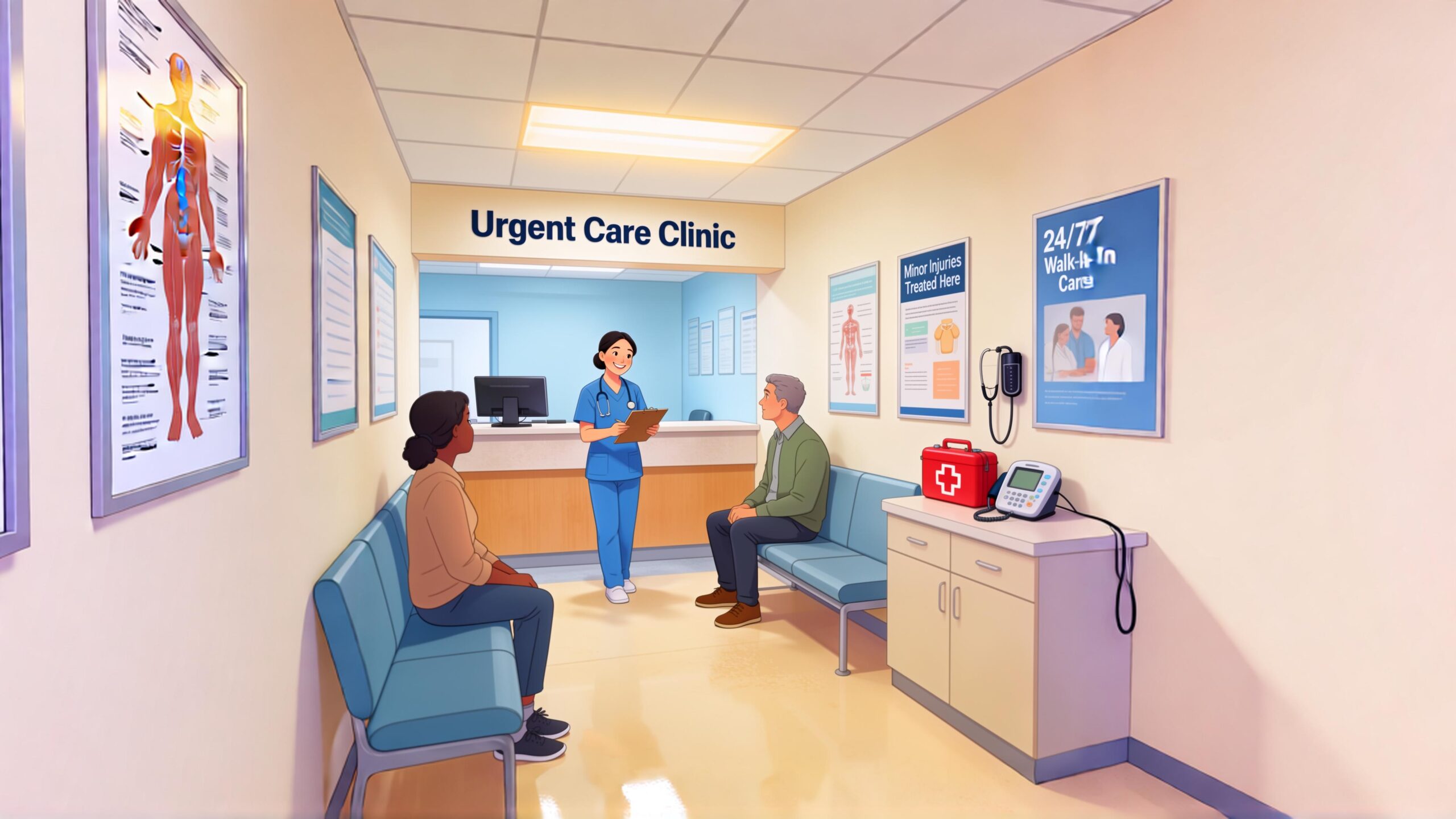
Life has a way of presenting health concerns at the most inconvenient times. Whether you discover that your medication bottle is empty on a weekend or suddenly develop symptoms of a common illness before an important event, finding timely medical assistance can be challenging. Many people immediately think of emergency rooms, while others wait days for an appointment with their primary care physician. However, urgent care centers often provide a practical middle ground for non-life-threatening health concerns.
One common reason patients visit urgent care is for an emergency medication refill when they are unable to reach their regular healthcare provider. Running out of essential medication can be stressful, especially when the prescription is necessary for managing ongoing health conditions. Urgent care clinics can evaluate the situation, review medical history, and determine whether a refill is appropriate.
- Why Do People Need Prescription Refills Unexpectedly?
- What Types of Prescriptions Can Urgent Care Refill?
- How Does the Evaluation Process Work?
- Can Urgent Care Treat Common Illnesses Too?
- Why Early Treatment Matters
- What Are the Benefits of Choosing Urgent Care?
- When Should You Choose the Emergency Room Instead?
- How Can Patients Prepare for an Urgent Care Visit?
- What Role Does Urgent Care Play in Community Health?
- Is Urgent Care the Right Choice for Your Situation?
Why Do People Need Prescription Refills Unexpectedly?
There are many situations where patients may suddenly find themselves without necessary medication. Some common reasons include:
- Forgetting to schedule a follow-up appointment
- Running out of medication during travel
- Lost or damaged prescriptions
- Delays in obtaining appointments with primary care providers
- Relocation to a new area without an established doctor
When these situations arise, patients often need a quick and reliable healthcare option. Urgent care centers are designed to address non-emergency medical needs efficiently, helping patients avoid interruptions in their treatment plans.
What Types of Prescriptions Can Urgent Care Refill?
The ability to refill a prescription depends on several factors, including the medication type, the patient’s medical history, and state regulations. Healthcare providers at urgent care facilities typically review:
- Current medications
- Medical records when available
- Existing diagnoses
- Potential side effects or interactions
- The urgency of the patient’s situation
In many cases, medications for chronic conditions such as high blood pressure, asthma, or thyroid disorders may be considered for temporary refills until the patient can see their regular physician.
However, certain controlled substances and highly regulated medications may require additional evaluation or may not be eligible for refill through urgent care.
How Does the Evaluation Process Work?
When visiting urgent care for a prescription refill, patients should bring as much information as possible, including:
- Medication bottles
- Previous prescription records
- Identification
- Pharmacy information
- Medical history documentation
The healthcare provider will assess the patient’s condition and determine whether continuing the medication is medically appropriate. This evaluation helps ensure patient safety while maintaining continuity of care.
Can Urgent Care Treat Common Illnesses Too?
Absolutely. In addition to medication-related concerns, urgent care centers frequently help patients experiencing a variety of everyday health problems. These facilities are specifically designed to handle non-life-threatening conditions that still require prompt medical attention.
Common illnesses treated at urgent care include:
- Cold and flu symptoms
- Ear infections
- Sinus infections
- Sore throats
- Mild respiratory infections
- Allergies
- Stomach viruses
- Minor skin infections
Because urgent care clinics typically offer extended hours and walk-in availability, they provide convenient access to healthcare when symptoms appear unexpectedly.
Why Early Treatment Matters
Many people ignore mild symptoms hoping they will disappear on their own. While some illnesses resolve naturally, delaying medical attention can sometimes allow symptoms to worsen.
Early diagnosis and treatment can help:
- Reduce symptom severity
- Prevent complications
- Shorten recovery time
- Improve comfort
- Reduce the spread of contagious illnesses
Healthcare professionals can evaluate symptoms, perform diagnostic testing when necessary, and recommend appropriate treatment plans tailored to each patient’s needs.
What Are the Benefits of Choosing Urgent Care?
Urgent care has become increasingly popular because it bridges the gap between primary care offices and emergency rooms. Patients appreciate the convenience and accessibility these facilities provide.
Key benefits include:
Faster Access to Care
Many urgent care centers offer walk-in appointments, allowing patients to receive medical attention without lengthy scheduling delays.
Lower Costs Than Emergency Rooms
For non-life-threatening conditions, urgent care visits are often significantly less expensive than emergency room visits.
Extended Hours
Many facilities operate during evenings, weekends, and holidays when primary care offices may be closed.
Comprehensive Services
Urgent care centers frequently provide:
- Physical examinations
- Diagnostic testing
- Laboratory services
- Prescription assistance
- Treatment plans
- Follow-up recommendations
When Should You Choose the Emergency Room Instead?
While urgent care is an excellent option for many health concerns, certain situations require immediate emergency treatment.
Seek emergency medical attention for:
- Chest pain
- Severe breathing difficulties
- Stroke symptoms
- Major injuries
- Severe bleeding
- Loss of consciousness
- Serious allergic reactions
Understanding the difference between urgent and emergency medical situations helps ensure patients receive the appropriate level of care.
How Can Patients Prepare for an Urgent Care Visit?
Preparation can make the visit more efficient and productive. Consider bringing:
- Photo identification
- Insurance information
- Medication list
- Relevant medical records
- Contact information for healthcare providers
- Pharmacy details
Providing accurate information allows healthcare professionals to make informed decisions and deliver effective treatment.
What Role Does Urgent Care Play in Community Health?
Urgent care centers play an important role in improving healthcare accessibility. By offering timely treatment for common illnesses and medication-related concerns, they help reduce strain on emergency departments and provide patients with convenient medical options.
These facilities support continuity of care while ensuring patients receive prompt attention when they need it most. Whether someone requires treatment for an unexpected illness or assistance managing ongoing medications, urgent care centers serve as valuable healthcare resources.
Is Urgent Care the Right Choice for Your Situation?
For many individuals facing unexpected health concerns, urgent care provides a practical and efficient solution. Whether you’re dealing with symptoms of a cold, infection, allergy, or seeking minor illness treatment, urgent care clinics can often provide the timely medical attention needed to support recovery and maintain overall well-being.
By understanding the services available and knowing when to seek care, patients can make informed healthcare decisions that save time, reduce stress, and help them feel better sooner.


コメント