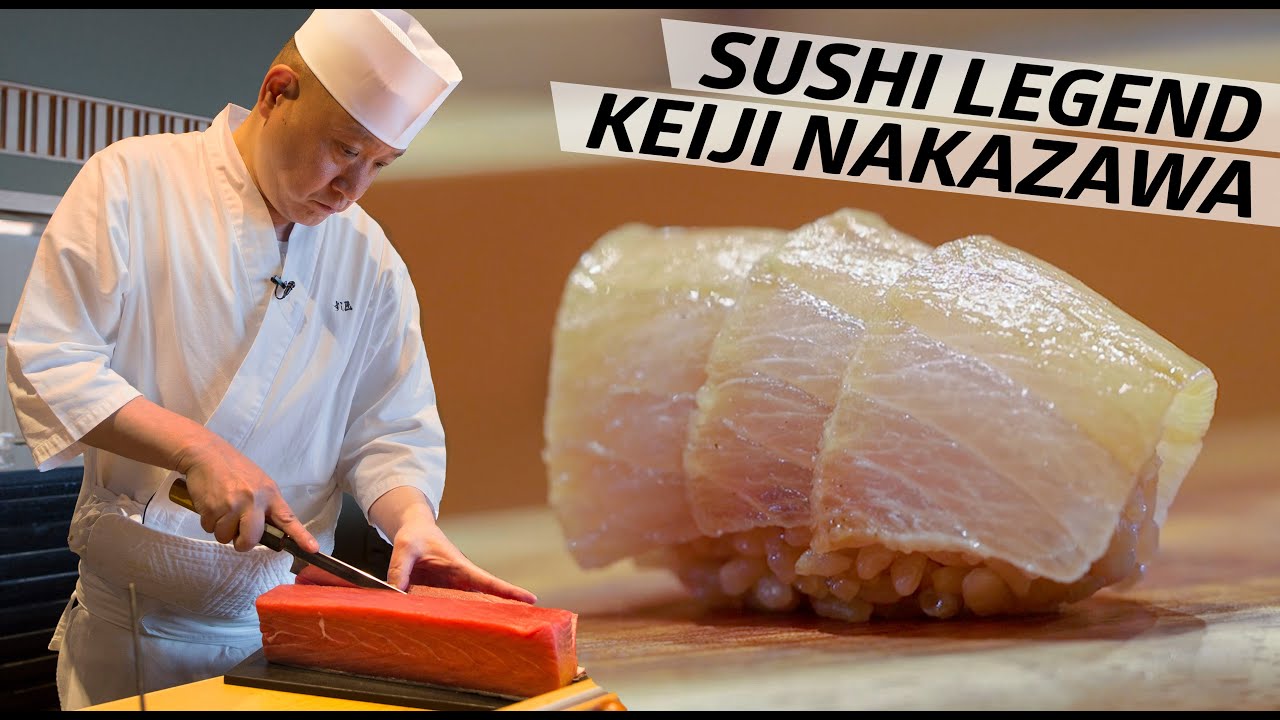
From Screen to Counter: How Sushi Nakazawa Maintained its Grip on the Elite Food Scene
NEW YORK, NY — In the modern history of fine dining, few restaurant origin stories are quite as cinematic as that of Sushi Nakazawa. Founded in 2013 in Manhattan’s West Village, this world-renowned establishment bridges the gap between traditional Japanese culinary discipline and contemporary American dining sensibilities.
The restaurant was born out of an unusual internet hunt. New York restaurateur Alessandro Borgognone watched the critically acclaimed 2011 documentary Jiro Dreams of Sushi. Mesmerized by the brutal training required of the apprentices, Borgognone tracked down Chef Daisuke Nakazawa—the documentary’s breakout star who spent 11 years studying under legendary master Jiro Ono.
At the time, Nakazawa was working quietly in Seattle. Borgognone used online translation tools to message the chef, eventually convincing him to move east to open an eponymous venture. The gamble paid off immediately, transforming a small West Village counter into one of the most exclusive reservations in the United States.
Pioneering the “New York-Mae” Philosophy
Traditional Tokyo sushi, known as Edomae, relies on rigorous, centuries-old methods of curing, marinating, and aging fish. Chef Nakazawa took those foundational rules and modified them for an American audience, building a style he lovingly terms “NY-mae”.
Instead of flying in only Japanese fish, the kitchen sources globally—pairing local Massachusetts sea scallops or wild Pacific king salmon with perfectly warm, seasoned vinegar rice and a delicate brush of house-made nikiri soy glaze.
This progressive approach completely shook the culinary establishment. Shortly after its debut, The New York Times awarded the restaurant a rare, coveted four-star review. Food critics praised Nakazawa’s theater-like performance behind the counter, noting his joyous personality and his signature habit of playfully showing live ingredients to diners before preparing them.
Evolution, Acclaim, and National Expansion
As the brand entered its second decade, it faced the ultimate challenge of premium restaurants: maintaining world-class standards while satisfying overwhelming customer demand. To make the restaurant more accessible, Sushi Nakazawa expanded its schedule to seven days a week and added lunch seatings.
While national food critics noted that increased production lines meant fish was sometimes pre-sliced rather than cut directly to order, the eatery successfully stabilized its reputation as an approachable entry point to top-tier dining. It maintains a prestigious one-star rating from the MICHELIN Guide, with inspectors praising its fatty cuts of fish and immaculate service.
Today, the partnership between Nakazawa and Borgognone has grown past its original 10-seat counter. The team runs a successful sushioishii.com sister location in Washington, D.C., and continues expanding into new luxury markets like Los Angeles. By offering an elite omakase experience at a competitive price point, Sushi Nakazawa proves that a restaurant can preserve its culinary soul while evolving into a full-scale national empire.

コメント