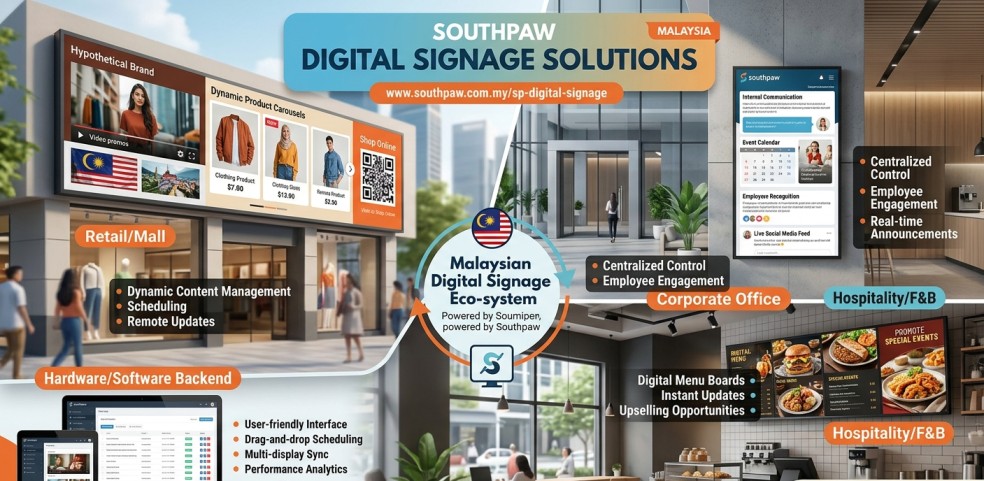
Anyone who has shopped in a busy Kuala Lumpur mall during a weekend rush knows the feeling: a checkout line snaking past the shelves, restless customers checking their phones, and a few people quietly abandoning their baskets altogether. Long queues are one of the biggest threats to retail revenue, and they shape how shoppers feel about your brand. This is exactly where digital signage software Malaysia retailers are adopting can make a real difference, turning dreary waiting time into something more bearable—and even profitable.
In this guide, we’ll explore what “queue busting” really means, how digital signage works as a solution, and what local retailers should consider before rolling it out. By the end, you’ll have a clearer picture of whether this technology can help fix your checkout bottlenecks.
- The Challenge of Queue Management in Kuala Lumpur Retail
- Understanding “Queue Busting” and Why It Matters
- Digital Signage as a Solution: How It Works
- Benefits of Digital Signage for Retailers in Malaysia
- Implementing Digital Signage: Key Considerations
- Real-World Examples in Action
- The Future of Retail and Queue Management
- Streamlining the Customer Experience
The Challenge of Queue Management in Kuala Lumpur Retail
Kuala Lumpur’s retail scene is fast-paced and fiercely competitive. From the megamalls of Bukit Bintang to neighbourhood grocery stores, shoppers have plenty of choice and very little patience. When lines grow too long, customers don’t just feel annoyed—they walk away.
Several factors make queue management especially tricky here. Peak hours often cluster around lunchtime, evenings, and weekends, creating sudden surges. Festive seasons like Hari Raya, Chinese New Year, and Deepavali bring enormous spikes in foot traffic. Add limited floor space in many city-centre stores, and you have a recipe for congestion at the till.
The cost of getting this wrong is steep. A shopper who abandons a purchase rarely comes back the same day, and a frustrating experience can push them towards a competitor—or towards online shopping entirely.
Understanding “Queue Busting” and Why It Matters
“Queue busting” refers to any strategy designed to reduce the time customers spend waiting in line, or to make that wait feel shorter and more pleasant. It’s not always about eliminating queues completely. Sometimes it’s about managing perceptions.
Research on consumer behaviour has long shown that perceived waiting time matters as much as actual waiting time. A customer who feels entertained or informed while waiting is far less likely to grow irritated than one staring at a blank wall.
Queue busting matters for three core reasons:
- Revenue protection: Fewer abandoned baskets means more completed sales.
- Customer loyalty: A smooth checkout leaves a positive final impression.
- Brand reputation: Word of mouth (and online reviews) often hinge on the small details of the shopping experience.
Digital Signage as a Solution: How It Works
Digital signage uses screens—displays, video walls, or interactive kiosks—to show dynamic content throughout your store. Near the checkout, these screens become a powerful tool for both distraction and direction.
Here’s how it typically works in practice:
- Content management: Retailers use software to schedule and update what appears on screen, from promotions to entertainment.
- Queue guidance: Screens can direct shoppers to the next available counter, smoothing the flow and reducing confusion.
- Engaging content: Product videos, social media feeds, news tickers, or light entertainment keep waiting customers occupied.
- Real-time updates: Some systems integrate with point-of-sale data to display wait times or open additional counters when lines build up.
The beauty of digital signage is its flexibility. The same screen that promotes a flash sale at noon can guide customers to a faster lane during the evening rush.
Benefits of Digital Signage for Retailers in Malaysia
For Malaysian retailers, the advantages go well beyond shorter-feeling queues.
Reduced perceived wait times. Engaging visuals make minutes pass faster, lowering frustration at the till.
Higher impulse sales. Screens at the checkout are prime real estate for promoting add-ons, loyalty programmes, or seasonal offers. A well-timed message can nudge a customer into one more purchase.
Multilingual flexibility. Malaysia’s diverse population speaks Bahasa Malaysia, English, Mandarin, Tamil, and more. Digital signage makes it easy to rotate messages across languages, helping you connect with a wider audience.
Festive agility. During major sales periods, you can update all your screens instantly—no reprinting posters or scrambling to swap physical displays.
Stronger brand image. Crisp, modern screens signal that your store is professional and forward-thinking, which builds trust with shoppers.
Implementing Digital Signage: Key Considerations
Rolling out digital signage isn’t simply a matter of mounting a few screens. To get real value, retailers should plan carefully.
Choose the right placement
Screens should sit where they’ll be seen—at eye level near queues, above counters, or at decision points throughout the store. Poor placement wastes the investment.
Pick reliable software
The software is the engine behind your screens. Look for a platform that’s easy to use, supports remote updates, and can handle multiple locations if you run more than one store. Reliable local support is a major plus.
Plan your content strategy
Screens are only as good as what they show. Mix promotional content with genuinely useful or entertaining material, and refresh it regularly so regular customers don’t tune out.
Budget for the long term
Factor in hardware, software licensing, installation, and ongoing content creation. The upfront cost is real, but so is the return when queues shrink and impulse sales rise.
Mind connectivity and maintenance
Screens need stable internet and occasional upkeep. Build a simple maintenance plan so a frozen display never ruins the customer experience.
Real-World Examples in Action
Across the region, large supermarket chains and fashion retailers have used digital signage at checkouts to display estimated wait times and direct shoppers to open lanes. The result is often a calmer, more orderly queue.
Quick-service restaurants offer another familiar example. Many use bright menu boards and order-status screens to keep customers informed while they wait, reducing the sense of standing idle. Malaysian retailers can borrow the same playbook—using screens to inform, entertain, and gently guide shoppers through the final stretch of their visit.
The Future of Retail and Queue Management
Queue management is steadily becoming smarter. As technology matures, expect digital signage to work hand in hand with tools like self-checkout stations, mobile payment apps, and sensors that track foot traffic in real time.
Imagine screens that automatically detect a building queue and prompt staff to open another counter, or signage that personalises offers based on the time of day. For Kuala Lumpur’s competitive retail market, staying ahead of these trends could be the difference between thriving and merely surviving.
Streamlining the Customer Experience
Long queues will always be part of retail life, but they don’t have to cost you customers. Digital signage offers a practical, flexible way to ease the pain of waiting—reducing perceived wait times, lifting impulse sales, and leaving shoppers with a better final impression of your store.
For retailers in Kuala Lumpur, the next step is straightforward: assess your busiest checkout points, set clear goals, and explore a digital signage solution that fits your space and budget. A smoother checkout isn’t just good for customers; it’s good for business.


コメント